

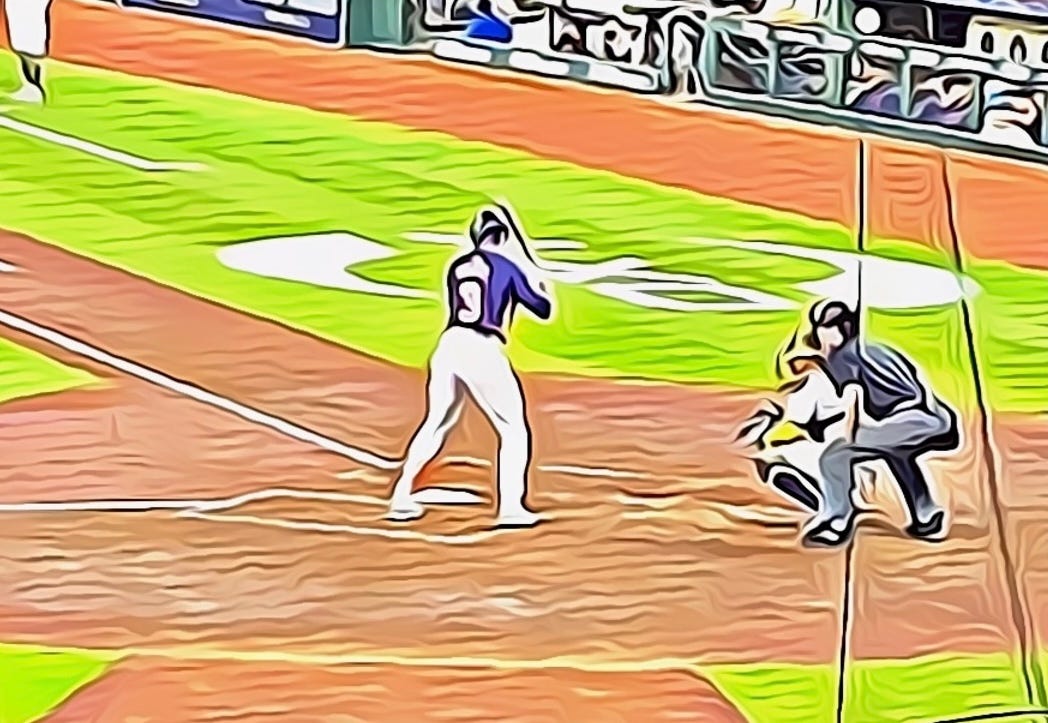
Projecting 2026 stats for what the left side of the 2025 infield was for most of the season brings mixed emotions.
Jeremy Pena, of course, is out with a fractured finger, while Isaac Paredes is learning to play second base, at least part-time, while the Astros dangle him in trade talks.
To say 2026 has started out inauspiciously for both players would be an understatement, and, for our purposes here, makes projecting their numbers more difficult.

Jeremy Pena
Pena is always difficult to project as which do you believe is more likely to happen? The mediocre offense of his first three seasons (102, 96, 99 wRC+) or his breakout 2025 (135 wRC+)?
Cases like this are why I use a model, because most people tend to think performances, especially for their favorite player or team, are linear and generally up and to the right.

The good news is that the professional projection systems generally agree with me; the bad news is that I’m expecting some regression.
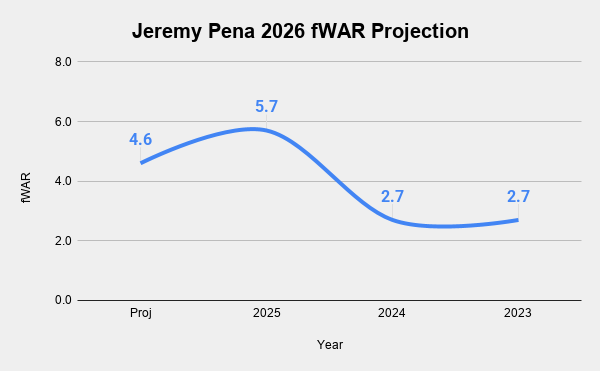
Pena’s defense has also fluctuated greatly over the last three seasons, going from the 76th percentile in OAA to 28th and then way up to 96th in 2025, and likely regressing to a more moderate number this season.
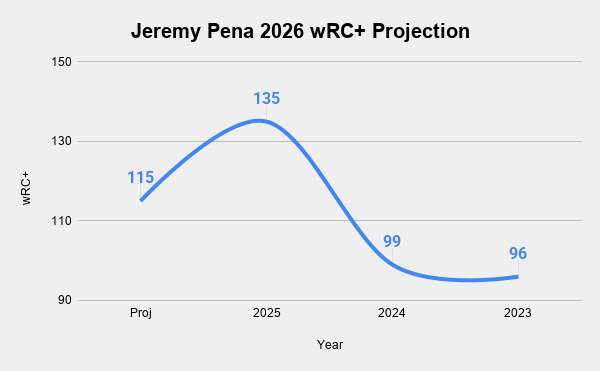
Summary: Pena is a legitimately good shortstop overall — solid bat (well above position norms), plus speed, and reliable defense make for strong two-way value and everyday viability.
Expecting more out of him than 2025 seems foolish, as some regression is likely both offensively and in the field.
Isaac Paredes
My model accounts for a lot of what occurs on the field, but nothing that occurs off of it, like trade rumors, learning a new position, and the like.
It will be a fascinating study as I feel like Paredes is undervalued, at least in the way the Astros are handling his situation, and he was having a fantastic 2025 pre-injury.

Paredes’ defense at third is mediocre, and if he does end up playing second, it will likely be an adventure.
But his is a bat the Astros desperately need in the current iteration of their offense.
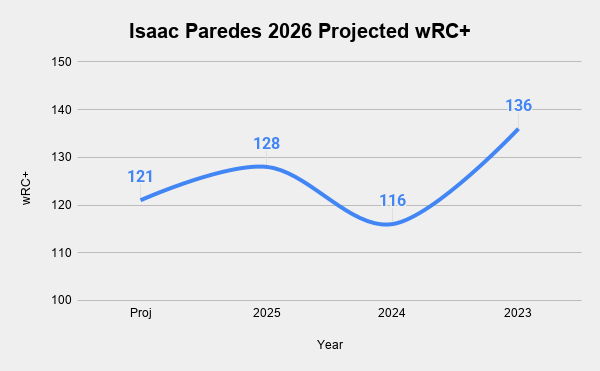
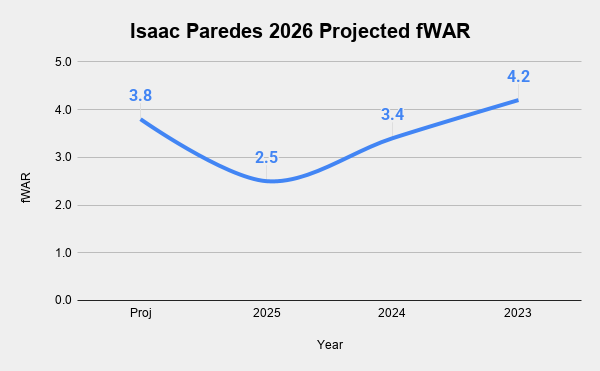
Summary: A dependable, bat-first average third baseman — strong on-base and power skills make the offense a plus relative to position averages, while average defense and low speed keep overall value in the good-but-not-elite starter range. If the glove grades slightly below average or first base (or second base, for that matter) time increases significantly, it could dip toward 3.0-3.5; if defense holds average and plate appearances climb, it pushes higher.
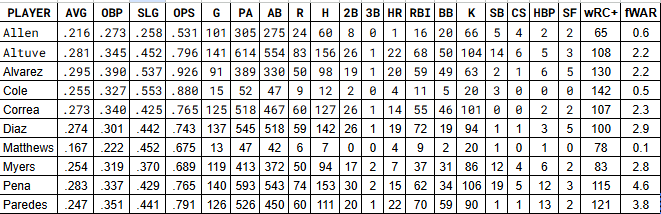
Projections to Date


As always, thanks for reading!